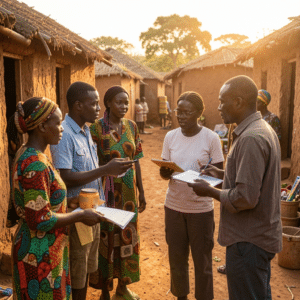
Pre-conference masterclass discusses taking African brands to the world
Participants challenged to identify, articulate and commercialise the cultural assets that make their brand ready for a global audience.
LUXURY BRANDS
By our African Marketing Confederation News Team | 2024
Maker of iconic luxury sports cars and other performance vehicles saw its brand value rise by 17% over the past year – Brand Finance report.
Auto company Porsche has retained its position as the world’s most valuable Luxury and Premium brand for the seventh consecutive year, according to new data from independent brand valuation and strategy consultancy, Brand Finance.
Photo: Porsche
Porsche, maker of iconic luxury sports cars and other performance vehicles, saw its brand value rise by 17% to US$43.1-billion over the past year.
French apparel giants Louis Vuitton (brand value up 23% to $32.2-billion) and Chanel (brand value up 35% to $26.1-billion) retain second and third positions in the 2024 ranking.
“The rising cost of living and economic instability have reduced spending for many, yet affluent consumers have sustained their purchasing power in challenging economic conditions, translating into continued sales growth for the world’s most valuable luxury brands,” Brand Finance comments.
The report’s analysis of brand strength, which uses a different set of metrics to brand value, finds that Rolex has become the strongest Luxury and Premium brand in 2024, earning a brand strength index (BSI) score of 90.1/100 and an equivalent AAA+ rating.
Watchmaker Rolex is followed by Italian sports car manufacturer Ferrari, earning a BSI of 90.0/100 and a AAA+ rating. Chanel jumps up a considerable 16 places to third position for brand strength in 2024, scoring 88.9./100.
Says Annie Brown, Valuation Director at Brand Finance UK: “Strong brands are built on more than just sales. This year’s leading luxury brands are remarkable for their unique ability to preserve and enhance brand strength, even in times of economic uncertainty.
“Traditional players are now finding new and innovative ways to deliver premium experiences that resonate with the modern luxury consumer while staying true to their distinctive heritage and iconic legacies. This balance between embracing transformation while preserving a tradition is fundamental to their enduring brand power.”
You can find out more about the report here.

Participants challenged to identify, articulate and commercialise the cultural assets that make their brand ready for a global audience.

Second outlet planned for Nairobi before year end, with Nigeria, South Africa and Morocco said to be future target markets.

Online search behaviour has changed significantly with the rise of AI. How can African brands adapt to this new marketing landscape?

Researchers propose a framework for packaging that senses, learns and acts – making packaging an active, AI-powered tool against food waste.

Country needs marketers to build recognition and consumer trust around Malawian products and national brand, says Deputy Minister.

Fashion brand suspends giant lingerie high above the city’s streets, using shadows to create a moving billboard for pedestrians and motorists.

Researchers describe AI influencers as having a ‘dual identity’. Consumers evaluate both ‘person’ and ‘technology’ identities at once.

Reputation and trust, once modest influences on hotel choice, have become some of the strongest predictors of patronage, study finds.

South African brands are increasingly setting the global benchmark for customer loyalty strategies, organisers say.

Global influences among younger consumers are still present, but they are being filtered through a distinctly Zambian lens.

Researchers find that lack of perceived ‘genuine care’ is the mechanism connecting AI involvement to lower trust ratings.