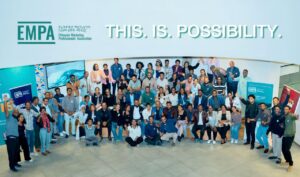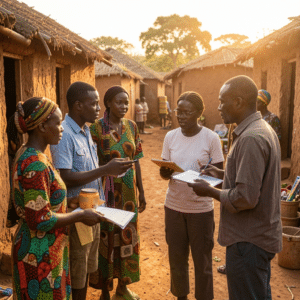
Pre-conference masterclass discusses taking African brands to the world
Participants challenged to identify, articulate and commercialise the cultural assets that make their brand ready for a global audience.
By our African Marketing Confederation News Team | 2024
Unathi Mhlatyana takes up the reins and brings 22 years of leadership experience in the fast-moving consumer goods sector.
Mondelēz International, one of the world’s largest snacks companies, recently named Unathi Mhlatyana as the Managing Director for Southern Africa.
With over 22 years of leadership experience in the FMCG sector, Mhlatyana brings substantial expertise in crafting and executing strategic initiatives to his latest position.
Unathi Mhlatyana. Photo: Mondelēz International
He joins Mondelēz after three years as Managing Director at McCain Foods and, prior to that, three years as Senior Director and General Manager for South African Snacks (Simba) at PepsiCo.
His earlier work experience includes a stint in project engineering at HJS Automotive, with specific focus on robotics programming; eight years at the Eveready/Gillette Group in process engineering, quality control and manufacturing; and 10 years at SAB/AB InBev, where he had various leadership roles in sales, marketing, distribution, general management, and projects.
Leadership appointments that advance growth
Mhlatyana’s appointment “forms part of Mondelēz International’s drive to make strategic leadership appointments that advance growth of the snacking leader’s sub-Saharan Africa business unit”, the company says in a statement.
“He is proficient in the execution of comprehensive business plans, ensuring cost-effective operations, and promoting market-development activities to facilitate revenue generation, people development and business growth.”
Mhlatyana’s qualifications include a Btech Quality, a degree in Labour Law & Industrial Engineering, and an MBA from Nelson Mandela University.
Mondelēz operates in approximately 160 countries. Its brands include Cadbury, Halls, Oreo, Toblerone and Royal Baking Powder.

Participants challenged to identify, articulate and commercialise the cultural assets that make their brand ready for a global audience.

Second outlet planned for Nairobi before year end, with Nigeria, South Africa and Morocco said to be future target markets.

Online search behaviour has changed significantly with the rise of AI. How can African brands adapt to this new marketing landscape?

Researchers propose a framework for packaging that senses, learns and acts – making packaging an active, AI-powered tool against food waste.

Country needs marketers to build recognition and consumer trust around Malawian products and national brand, says Deputy Minister.

Fashion brand suspends giant lingerie high above the city’s streets, using shadows to create a moving billboard for pedestrians and motorists.

Researchers describe AI influencers as having a ‘dual identity’. Consumers evaluate both ‘person’ and ‘technology’ identities at once.

Reputation and trust, once modest influences on hotel choice, have become some of the strongest predictors of patronage, study finds.

South African brands are increasingly setting the global benchmark for customer loyalty strategies, organisers say.

Global influences among younger consumers are still present, but they are being filtered through a distinctly Zambian lens.

Researchers find that lack of perceived ‘genuine care’ is the mechanism connecting AI involvement to lower trust ratings.