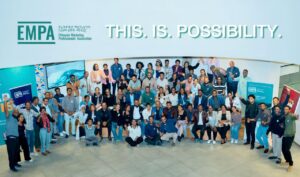
Pre-conference masterclass discusses taking African brands to the world
Participants challenged to identify, articulate and commercialise the cultural assets that make their brand ready for a global audience.
VIRTUAL REALITY
By our News Team | 2021
The metaverse is already here. The metaverse is a network of always-on virtual environments in which many people can interact with one another and digital objects while operating virtual representations – or avatars – of themselves. It is especially common in gaming – and now virtual concerts.
“The defining quality of the metaverse will be presence – the feeling of really being there with people… so you can remove the limitations of physics and move between them with the same ease as moving from one room in your home to the next,” according to Facebook Reality Labs’ Andrew Bosworth.
How the metaverse will impact brands
Kirsty Bisset, MD of SA-based communication agency HaveYouHeard Durban, says that while the rise of the metaverse is exciting, what still needs to be asked is what their impact on brands will be.
“For me, the current hype around metaverses feels like social media did in the early 2000s. Brands initially brushed off social media until it was impossible – and irresponsible – to ignore the importance of being involved,” she says.
“A great example here is the popularity, and huge revenues, of (interactive entertainment company) Fortnite’s virtual concerts. Businesses and brands active in virtual economies (like gaming and concerts) will naturally win within the metaverse.”
Metaverses will further democratise creativity. “But the real winners in the metaverse will be the influencers and brands that craft a virtual world that isn’t just a ‘flat’ surface. Today’s metaverses are simplified virtual items or virtual services accessible with or without Virtual Reality headsets. Successful worlds will need to offer layers through avatars, visuals and music.”
“Many brands today are digital first,” says Bisset. “Should they decide to enter the metaverse realm, they’ll need to be brave and detailed. Any metaverse built around a brand will have to deliver a user-driven engagement design and fully immersed digital experiences. Winners in the metaverse will understand all that, plus have extensive online culture, digital art and gaming experiences.”
Source: BusinessLive

Participants challenged to identify, articulate and commercialise the cultural assets that make their brand ready for a global audience.

Second outlet planned for Nairobi before year end, with Nigeria, South Africa and Morocco said to be future target markets.

Online search behaviour has changed significantly with the rise of AI. How can African brands adapt to this new marketing landscape?

Researchers propose a framework for packaging that senses, learns and acts – making packaging an active, AI-powered tool against food waste.

Country needs marketers to build recognition and consumer trust around Malawian products and national brand, says Deputy Minister.

Fashion brand suspends giant lingerie high above the city’s streets, using shadows to create a moving billboard for pedestrians and motorists.

Researchers describe AI influencers as having a ‘dual identity’. Consumers evaluate both ‘person’ and ‘technology’ identities at once.

Reputation and trust, once modest influences on hotel choice, have become some of the strongest predictors of patronage, study finds.

South African brands are increasingly setting the global benchmark for customer loyalty strategies, organisers say.

Global influences among younger consumers are still present, but they are being filtered through a distinctly Zambian lens.

Researchers find that lack of perceived ‘genuine care’ is the mechanism connecting AI involvement to lower trust ratings.