
Pre-conference masterclass discusses taking African brands to the world
Participants challenged to identify, articulate and commercialise the cultural assets that make their brand ready for a global audience.
BUSINESS STRATEGY
By our African Marketing Confederation News Team | 2025
The new store, located in an upmarket Casablanca neighbourhood, is the first of many in the North African country, company says.
Cold Stone Creamery, the US-based ice cream brand that operates around 1,500 stores in various countries, has announced its entry into the Moroccan market with the opening of its first outlet in Casablanca.
Photo: Cold Stone Creamery
The new store, which the company says is the first of many in the North African country, has opened in the Maârif neighbourhood, a vibrant and bustling shopping area known for its mix of high-end boutiques and local artisan shops.
“With its urban energy and cosmopolitan appeal, this bustling hub of Casablanca reflects the spirit of modernity and conviviality that the brand embodies,” the company says in a press release.
“The flagship store has been designed as an elegant, contemporary and welcoming space, where indulgence goes hand in hand with moments of sharing.”
Positioned as a ‘super premium product’
Founded in 1988, Cold Stone Creamery positions itself as a ‘super premium’ product. Its USP is training staff to become skilled ice cream makers, who then put on a culinary show by blending ice cream with a variety of ‘mix-in’ items such as fresh fruits, cookies, chocolates, nuts or sauces. This is done on a frozen granite stone.
“Each creation becomes a unique, personalised and spectacular delight,” the company claims in its press release.
The brand has not released details of its broader expansion plan in the country, saying merely that “additional Cold Stone Creamery stores will soon open in other Moroccan cities”.
According to Morocco World News, foreign investments in Morocco skyrocketed during the first quarter of 2025, building on the strong performance the country has seen in much of the past few years.
The International Monetary Fund predicts that Morocco’s economy will continue to expand for the rest of this decade, with an average annual growth rate of 3.7% between 2025 and 2030.

Participants challenged to identify, articulate and commercialise the cultural assets that make their brand ready for a global audience.

Second outlet planned for Nairobi before year end, with Nigeria, South Africa and Morocco said to be future target markets.

Online search behaviour has changed significantly with the rise of AI. How can African brands adapt to this new marketing landscape?

Researchers propose a framework for packaging that senses, learns and acts – making packaging an active, AI-powered tool against food waste.
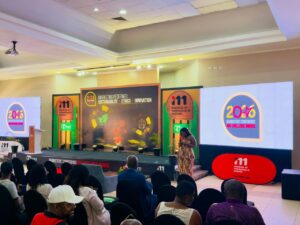
Country needs marketers to build recognition and consumer trust around Malawian products and national brand, says Deputy Minister.
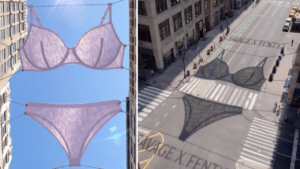
Fashion brand suspends giant lingerie high above the city’s streets, using shadows to create a moving billboard for pedestrians and motorists.

Researchers describe AI influencers as having a ‘dual identity’. Consumers evaluate both ‘person’ and ‘technology’ identities at once.

Reputation and trust, once modest influences on hotel choice, have become some of the strongest predictors of patronage, study finds.

South African brands are increasingly setting the global benchmark for customer loyalty strategies, organisers say.

Global influences among younger consumers are still present, but they are being filtered through a distinctly Zambian lens.

Researchers find that lack of perceived ‘genuine care’ is the mechanism connecting AI involvement to lower trust ratings.