Pre-conference masterclass discusses taking African brands to the world
Participants challenged to identify, articulate and commercialise the cultural assets that make their brand ready for a global audience.
BUSINESS STRATEGY
By our African Marketing Confederation News Team | 2026
Latest investment by the soft drink giant will boost production, strengthen supply chains and enhance workforce training.
Coca-Cola has unveiled plans to invest an additional US$1-billion in its Nigerian operations.
The United States Embassy in Nigeria made the announcement via a social media post which also emphasised the role US companies play in Nigeria’s overall economy.
The company is already a significant stakeholder in the country and the latest investment will boost production, strengthen supply chains and enhance workforce training.
Coca-Cola operates in Nigeria through the Coca-Cola System, which includes Coca-Cola Nigeria Limited and its bottler, the Nigerian Bottling Company (NBC).
Photo: BlvckArt Studio from Pexels
US-Nigeria bilateral trade a powerful growth engine
“US-Nigeria bilateral trade has been a powerful engine for economic growth, job creation and generational partnerships,” the Embassy says in its post.
“One standout contributor to this partnership is The Coca-Cola Company, which has invested an impressive $1.5-billion in Nigeria over the last decade, with plans for an additional $1-billion investment in the pipeline.”
According to the post, Coca-Cola’s decision underscores continued confidence by US multinationals in Nigeria’s long-term economic prospects.
Comments the Nigerian marketing industry publication Brand Communicator: “Company executives have consistently described Nigeria as a strategic market within Coca-Cola’s African operations. Coca-Cola Hellenic Bottling Company, which manages NBC, has also reiterated that Nigeria remains central to its long-term growth strategy, citing the country’s large population and expanding consumer base.”
Coca-Cola first entered the Nigerian market in 1951. Since then, it has become a major player in the country’s manufacturing, logistics and retail value chains.

Participants challenged to identify, articulate and commercialise the cultural assets that make their brand ready for a global audience.

Second outlet planned for Nairobi before year end, with Nigeria, South Africa and Morocco said to be future target markets.

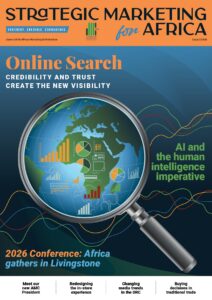
Online search behaviour has changed significantly with the rise of AI. How can African brands adapt to this new marketing landscape?

Researchers propose a framework for packaging that senses, learns and acts – making packaging an active, AI-powered tool against food waste.

Country needs marketers to build recognition and consumer trust around Malawian products and national brand, says Deputy Minister.

Fashion brand suspends giant lingerie high above the city’s streets, using shadows to create a moving billboard for pedestrians and motorists.

Researchers describe AI influencers as having a ‘dual identity’. Consumers evaluate both ‘person’ and ‘technology’ identities at once.

Reputation and trust, once modest influences on hotel choice, have become some of the strongest predictors of patronage, study finds.

South African brands are increasingly setting the global benchmark for customer loyalty strategies, organisers say.

Global influences among younger consumers are still present, but they are being filtered through a distinctly Zambian lens.

Researchers find that lack of perceived ‘genuine care’ is the mechanism connecting AI involvement to lower trust ratings.