
Airline body urges African governments to act on opening market access
‘Strategies don’t move people. Now it is time to make the difficult decisions and execute them,’ senior executive stresses.
MARKETING MILESTONES
By our African Marketing Confederation News Team | 2024
Renowned Kotler co-author and associate, Hermawan Kartajaya, to address African marketers at September conference in Mombasa.
Marketers and marketing associations around Europe, as well as in some other parts of the world, yesterday (Monday, 27 May) celebrated the International Day of Marketing.
Why that day? Ralf Strauss, Chairman of the Board of the European Marketing Confederation, explains in a web post.
Philip Kotler (centre) and Hermawan Kartajaya (right) in a 2007 photo. Picture courtesy of Flickr
“27th of May was chosen as the day to celebrate marketing because it was on this day in Chicago in 1931 that a renowned marketing practitioner and theoretician known as the ‘father of modern marketing’, Philip Kotler, was born. Philip Kotler has written more than 80 books and has had a huge impact on the development of marketing worldwide.”
A collaborator with Kotler on 12 of those books is Hermawan Kartajaya, founder of the Asia Marketing Federation and co-founder of the World Marketing Forum.
He will be sharing his knowledge, expertise and his experiences with Kotler – who is still co-authoring marketing books at age 93 – with African marketers at the upcoming 2024 African Marketing Confederation Conference, which takes place in Mombasa, Kenya, from 25-27 September.
Joined by other members of the Asia Marketing Federation
Kartajaya is the keynote speaker and will be joined at the conference by other members of the Asia Marketing Federation, with whom the African Marketing Confederation (AMC) recently signed a memorandum of understanding aimed at fostering collaboration, growth and knowledge-sharing between marketers on the two continents.
Kartajaya has been widely recognised internationally for his marketing thought leadership. For example, in 2003, he was named by the Chartered Institute of Marketing in the UK as one of ‘50 Gurus Who Have Shaped the Future of Marketing’ which includes the likes of Philip Kotler, David Aaker, Gary Hamel, Tom Peters and Seth Godin.
In 2009, he received the Distinguished Global Leadership Award from the Pan-Pacific Business Association at the University of Nebraska-Lincoln.
He is also the recipient of an Honorary Fellowship Award from the Marketing Institute of Singapore, and from the Institute of Marketing of Malaysia.
At the 2024 African Marketing Confederation Conference, Kartajaya will headline a strong lineup of expert local and international speakers. The event is being hosted by the Marketing Society of Kenya (MSK) at the Sarova WhiteSands Beach Resort, Mombasa.
You can find out more about the conference here.

‘Strategies don’t move people. Now it is time to make the difficult decisions and execute them,’ senior executive stresses.

UTB says its ambition is to turn the visibility into interest, bookings and more visitors choosing to explore Uganda.

Short ads shown on TV increased website visits within five minutes of airing by 10-40% compared with longer advertisements.

Supeco’s rapid expansion shows how the discount model is becoming a bigger part of grocery retail in the North African country.

Consumers reward visible eco-friendly additions such as reusable bottles, but give little credit to businesses that reduce or remove products.

Nestlé believes Ghana will continue to play a leading role in the future of Central and West Africa.
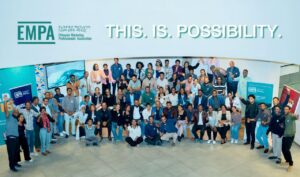
Ethiopia’s marketers gather to celebrate hosting next year’s conference – but with an eye on the hard work ahead.

Tech is creating more ways for audiences to connect, but lasting value will come from understanding the people behind those connections.

The new production line at the historic Maydon Wharf facility in Durban will address growing international demand.

Tanzania, Kenya, Zimbabwe, Ethiopia and South Africa all feature in the African meetings, incentives, conferences and exhibitions awards.
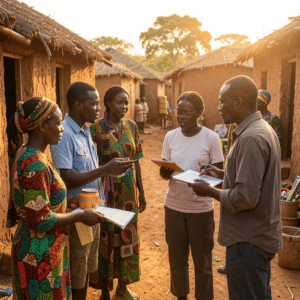
Much of the broader conversation around AI in market research assumes conditions that do not consistently exist across many African markets, writes Soyinka Witness.