
Researchers explain why 10-second micro ads outperform longer spots
Short ads shown on TV increased website visits within five minutes of airing by 10-40% compared with longer advertisements.
RETAIL STRATEGY
By our African Marketing Confederation News Team | 2025
The number of stores in Kenya will almost double and the company will also test the waters in neighbouring countries.
Naivas, the Kenyan-based supermarket chain, is planning to grow its store footprint from 111 outlets to around 200 over the next few years.
Photo: Navias
While almost doubling in size in its home market, the aim is also to test the waters in Tanzania, Uganda and Rwanda.
The announcement comes in the wake of a 21.6% increase in revenue and a 43% rise in net profit for the fiscal year ending June 30, 2025. Naivas also recently appointed a new CEO, Andreas von Paleske.
“If you look at the rate of urbanisation, especially in Nairobi, the density of residential areas and the need for basic services such as retail, I suspect that number may grow over time,” Von Paleske said in an interview reported by Bloomberg news agency.
Many areas are unserved or underserved by Naivas
“We still see a lot of opportunity to grow in the market. Many areas are either unserved or underserved by Naivas.”
He added that the company plans to add about 10 stores annually and expects revenue to grow by 10-15% annually.
According to a report by Agence Ecofin, the chain has attracted customers in Nairobi and in cities such as Kiambu and Malindi by focusing on low-priced products in physical stores and operating 24-hour outlets that allow late-night shopping. Naivas also moved into digital services in 2024 with the launch of its mobile app.
Naivas is majority-owned by IBL Ltd, a conglomerate based in Mauritius, which holds 51%. The balance is owned by the founding Mukuha family.

Short ads shown on TV increased website visits within five minutes of airing by 10-40% compared with longer advertisements.

Supeco’s rapid expansion shows how the discount model is becoming a bigger part of grocery retail in the North African country.

Consumers reward visible eco-friendly additions such as reusable bottles, but give little credit to businesses that reduce or remove products.
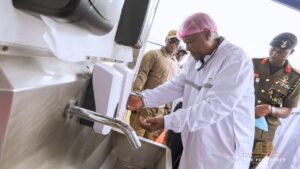
Nestlé believes Ghana will continue to play a leading role in the future of Central and West Africa.

Ethiopia’s marketers gather to celebrate hosting next year’s conference – but with an eye on the hard work ahead.

Tech is creating more ways for audiences to connect, but lasting value will come from understanding the people behind those connections.

The new production line at the historic Maydon Wharf facility in Durban will address growing international demand.

Tanzania, Kenya, Zimbabwe, Ethiopia and South Africa all feature in the African meetings, incentives, conferences and exhibitions awards.
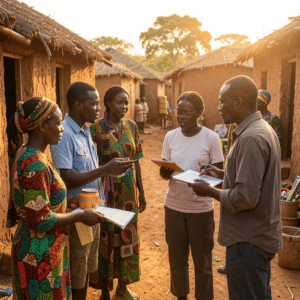
Much of the broader conversation around AI in market research assumes conditions that do not consistently exist across many African markets, writes Soyinka Witness.
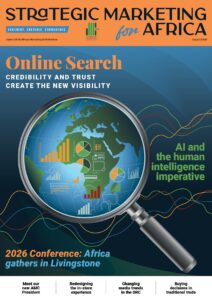
Strategic Marketing for Africa, the publication for deep-thinking African marketing professionals, is not to be missed.

Rwanda’s marketing body is enthusiastic about the F1 announcement, emphasising that ‘investors and visitors follow governance, not slogans’.