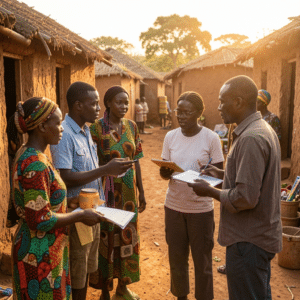
Pre-conference masterclass discusses taking African brands to the world
Participants challenged to identify, articulate and commercialise the cultural assets that make their brand ready for a global audience.
E-COMMERCE
By our African Marketing Confederation News Team | 2026
Most recent Black Friday period demonstrated how increasing consumer familiarity with online shopping is driving ongoing demand.
Results from the most recent Black Friday shopping period in Nigeria have emphasised the growing maturity of the country’s e-commerce sector, according to online marketplace Jumia Nigeria.
Black Friday has evolved from being a brief surge in sales to a predictable and well-planned retail period for local consumers, the company’s CEO, Temidayo Ojo, said recently when reviewing year-end performance.
Ojo believed increasing consumer familiarity with online shopping is driving rising demand, noting that more customers now plan purchases using features such as saved carts, brand stores and price-comparison tools.
Digital commerce not merely a seasonal activity
This indicated that digital commerce is becoming part of everyday consumer behaviour rather than merely a seasonal activity, Ojo said.
Photo: Ivan S from Pexels
“Consumers are increasingly using platform features for planned purchases, indicating digital commerce is becoming routine [in Nigeria],” comments Trendtype, the emerging markets consultancy.
It adds: “Jumia’s JForce network (a network of independent sales consultants paid on commission) enhances access and service in local communities, contributing to sustained engagement and consumer confidence, reflecting a structured growth in Nigeria’s e-commerce ecosystem.”
According to investor information published by the Jumia group in December 2025, Jumia Nigeria saw robust momentum over the previous two months, with orders up 28% and GMV (gross merchandise value) up 45% year-over-year.
Across all the African markets in which it operates, Jumia saw e-commerce orders reach 5.1-million over the two months under review, increasing 30% year-over-year. This figure included 3.2-million orders placed during the Black Friday event – which accounted for 63% of total orders. The event ran from October 31 to November 30, 2025.

Participants challenged to identify, articulate and commercialise the cultural assets that make their brand ready for a global audience.

Second outlet planned for Nairobi before year end, with Nigeria, South Africa and Morocco said to be future target markets.

Online search behaviour has changed significantly with the rise of AI. How can African brands adapt to this new marketing landscape?

Researchers propose a framework for packaging that senses, learns and acts – making packaging an active, AI-powered tool against food waste.

Country needs marketers to build recognition and consumer trust around Malawian products and national brand, says Deputy Minister.

Fashion brand suspends giant lingerie high above the city’s streets, using shadows to create a moving billboard for pedestrians and motorists.

Researchers describe AI influencers as having a ‘dual identity’. Consumers evaluate both ‘person’ and ‘technology’ identities at once.

Reputation and trust, once modest influences on hotel choice, have become some of the strongest predictors of patronage, study finds.

South African brands are increasingly setting the global benchmark for customer loyalty strategies, organisers say.

Global influences among younger consumers are still present, but they are being filtered through a distinctly Zambian lens.

Researchers find that lack of perceived ‘genuine care’ is the mechanism connecting AI involvement to lower trust ratings.