Demand for sportswear is sprinting ahead of the wider apparel market
Consumers are prioritising their wellness despite tighter wallets, meaning sportswear remains one of the most resilient areas of fashion.
INFLUENCER MARKETING
By our African Marketing Confederation News Team | 2026
The Accountability Equation is the often-neglected, but vital, three-way partnership between creators, brands and their marketing agencies.
Influencer marketing continues to make headlines for its growth, yet there’s one headline we rarely see: accountability.
According to the IAB ‘South Africa Influencer Marketing Perceptions Report’ released in 2025, 97% of marketers believe influencer marketing works, but only 52% of brands allocate proper budgets for it.
Many opinions can be formed as to why this is, but the main reason for scepticism is due to the lack of accountability. Real, tangible and measurable accountability is what’s missing from too many collaborations.
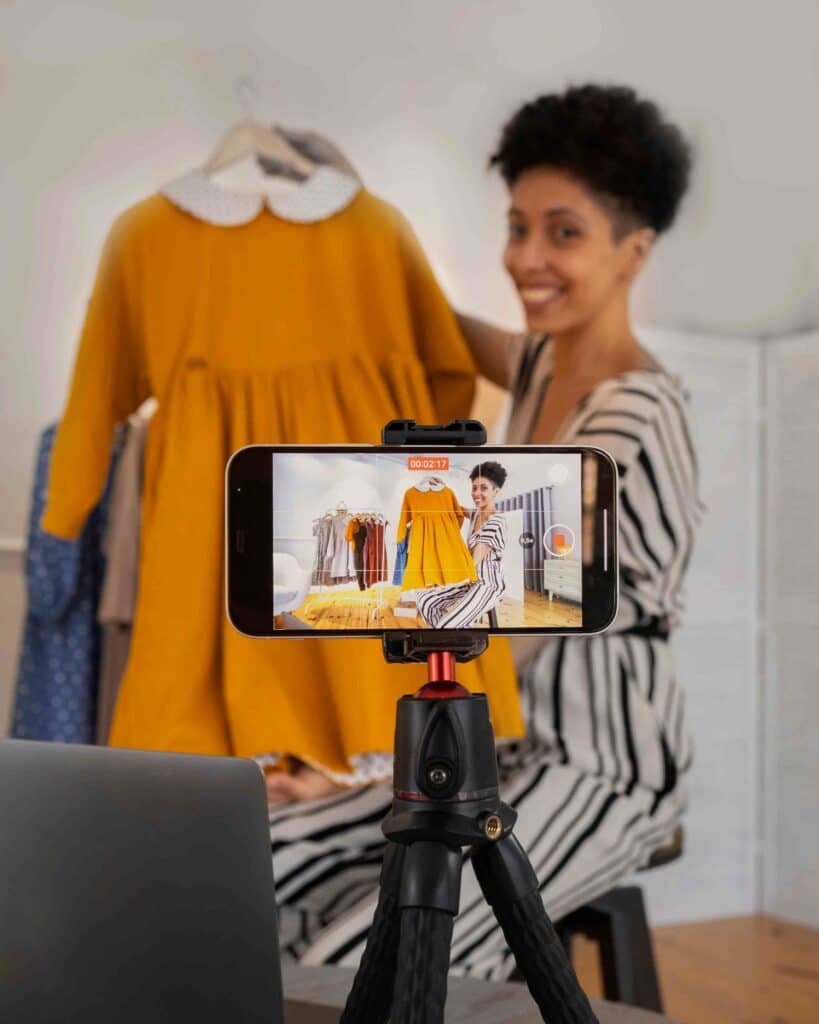
Photo: Magnific
Here’s the uncomfortable truth: influencer marketing isn’t about paying for a pretty video and calling it a day. It’s about investing in audience access, retention, influence, engagement and measurable ROI. When we strip away the glamour and the lifestyle shots, we’re left with a business transaction that requires professionalism from all parties involved.
This isn’t about throwing anyone under the bus. It’s about recognising that accountability is a three-way partnership between marketers, agencies and creators. Yet, right now, it feels like we’re all driving in different lanes instead of moving in the same direction.
Creators, it’s time to treat this like the business it is
With new requirements by the South African Revenue Service (SARS) for creators to declare their incomes, products and travel, the industry has reached a defining moment. Creators are being called to put on their CEO hats and come to the table as business owners, not just content producers. This is no longer an industry built on casual collaborations. It’s a commercial ecosystem where professionalism and accountability carry real weight.
Professionalism in this space isn’t a buzzword; it’s how influencers protect credibility, sustain opportunities and build trust across the board. Among the bare-minimum basics for influencers:
That said, creators can’t operate with business-level professionalism in a vacuum. Accountability flows in multiple directions, and brands carry equal responsibility in creating the conditions that make professional partnerships possible.
You can read Laurelle James’ article about influencer marketing and the Accountability Equation in the latest issue (Issue 1 2026) of Strategic Marketing for Africa – the voice of African marketing and the official publication of the African Marketing Confederation (AMC). Find it online here. A Print Edition is also available.

Consumers are prioritising their wellness despite tighter wallets, meaning sportswear remains one of the most resilient areas of fashion.

Nominations for the 2026 African Marketing Confederation and African Supply Chain Confederation awards close on 31 July.

Consumers may stick with troubled brands because their emotional attachment overrides the perceived risk, study finds.

Book draws a line between customer experience – the private-sector marketing discipline – and what its authors call ‘Citizen Experience’.

Six years ago, the historic South African department store chain was in voluntary business rescue. Now it plans to open 50 new stores.

The Accountability Equation is the often neglected, but vital, three-way partnership between creators, brands and their marketing agencies.