
Airline body urges African governments to act on opening market access
‘Strategies don’t move people. Now it is time to make the difficult decisions and execute them,’ senior executive stresses.
ADVERTISING SPENDING
By our News Team | 2022
The well-known video-sharing site has consistently underperformed in 2022 and failed to meet the market’s revenue expectations.
In another sign of tougher times for online advertising worldwide, Alphabet – the parent company of Google and its subsidiaries such as YouTube – recently announced that overall revenue growth has drastically declined from 41% a year ago to just 6% in the last quarter.
Among the key advertising sectors that reduced their spending with Alphabet are financial services, insurance, loans and mortgage, and crypto industries, the company’s Chief Business Officer, Philipp Schindler, confirmed.
Photo by Szabo Viktor on Unsplash
While adspend on Google Search declined in the last quarter, YouTube has been particularly hard it, and declined 2% compared to the same period last year. The well-known video-sharing site has consistently underperformed in 2022 and failed to meet market expectations.
In contract, 2021 was a year in which YouTube performed strongly on the financial front and in Q3 2021 its revenue was more than 40% up on the same period in 2020.
“YouTube’s challenge is that it’s pivoting focus to Shorts, which is in the early days of monetisation,” reported the digital marketing industry website, Marketing Dive.
Shorts limits video pieces to 60 seconds
Shorts is a short-form video-sharing platform offered by YouTube. The platform hosts user content much like YouTube’s primary service, but limits pieces to 60 seconds in length.
Continued Marketing Dive: “As the TikTok copycat commands a larger share of overall YouTube watch time, mature areas of the platform could see their engagement and revenue affected.
“Shorts currently draws about 1.5-billion users every month and generates 30-billion daily views. It began running ads globally in May, but the real question is whether it can retain the right talent in an increasingly creator-driven economy.”
According to news agency Reuters, Q3 2022 was the first time YouTube’s ad revenue shrank on a year-over-year basis since the company started breaking out the division’s results in 2019.
Google Play, the company’s mobile app store, has also seen user engagement wane, including in categories like gaming.
Concluded Marketing Dive: “It’s another signal that marketers are pulling investments away from some digital channels amid an economic downturn and rising competition.”

‘Strategies don’t move people. Now it is time to make the difficult decisions and execute them,’ senior executive stresses.

UTB says its ambition is to turn the visibility into interest, bookings and more visitors choosing to explore Uganda.

Short ads shown on TV increased website visits within five minutes of airing by 10-40% compared with longer advertisements.

Supeco’s rapid expansion shows how the discount model is becoming a bigger part of grocery retail in the North African country.

Consumers reward visible eco-friendly additions such as reusable bottles, but give little credit to businesses that reduce or remove products.

Nestlé believes Ghana will continue to play a leading role in the future of Central and West Africa.
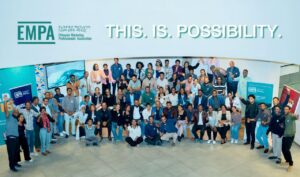
Ethiopia’s marketers gather to celebrate hosting next year’s conference – but with an eye on the hard work ahead.

Tech is creating more ways for audiences to connect, but lasting value will come from understanding the people behind those connections.

The new production line at the historic Maydon Wharf facility in Durban will address growing international demand.

Tanzania, Kenya, Zimbabwe, Ethiopia and South Africa all feature in the African meetings, incentives, conferences and exhibitions awards.

Much of the broader conversation around AI in market research assumes conditions that do not consistently exist across many African markets, writes Soyinka Witness.