
Researchers explain why 10-second micro ads outperform longer spots
Short ads shown on TV increased website visits within five minutes of airing by 10-40% compared with longer advertisements.
BRAND STRATEGY
By our News Team | 2021
Global CMO for GlaxoSmithKline gives details of the way the company nurtures its brands in order to be more ‘human.
GlaxoSmithKline, the multinational pharmaceutical company, says is it on a mission to break down silos within its organisation. To achieve this, it is using a central cross-functional team to ensure its brands remain ‘future-proof’ and connected to the business’s core purpose.
The company’s Global Chief Marketing Officer, Tamara Rogers, gave details during a recent presentation to the Institute for Real Growth, a Dutch-based non-profit consultancy that promotes the concept of ‘humanised growth’.
According to Rogers, brands within the GSK portfolio collaborate in an effort to deliver marketing messages that are ‘with humanity’ rather than ‘for humanity’.
“We have an internal agency team with real marketing experts that work with our brand teams whenever they want to do a refresh in ‘brand heart’,” she explained.
Photo by Ian Wilson via Wikipedia
We are continually future-proofing brands
“When we want to modernise them, that team comes in, works with the brand team and helps make sure we’re continually future-proofing our brands. We’re very excited about this opportunity to infuse humanity into the brands and into the teams.”
Rogers noted that the CMO role within the company had expanded over the years into one that assisted in “joining dots and pulling teams together”, as there were traditionally too many silos within the business.
“Now it’s about collaborative teams, agile working, bringing in the right ingredients into the team at the moment that you need them. And so we’re now trying to think about how we can break down some of the silos and get the teams working together.”
She added: “We’re thinking more about how we are designing the experiences that a consumer has along their health journey, and where we then make sure we’re doubling down so that health journey helps them get to a better outcome.”
“But it requires this cross-functional group to really come together, because experience is everything. From flipping open the cap of Voltaren and how you apply it, all the way through to buying it in-store and experiencing content online from Voltaren’s at-home exercise programme.”

Short ads shown on TV increased website visits within five minutes of airing by 10-40% compared with longer advertisements.
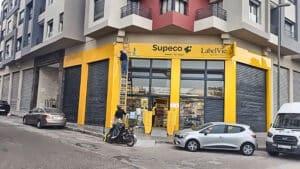
Supeco’s rapid expansion shows how the discount model is becoming a bigger part of grocery retail in the North African country.

Consumers reward visible eco-friendly additions such as reusable bottles, but give little credit to businesses that reduce or remove products.
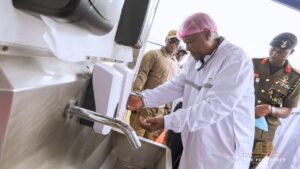
Nestlé believes Ghana will continue to play a leading role in the future of Central and West Africa.
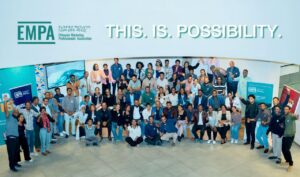
Ethiopia’s marketers gather to celebrate hosting next year’s conference – but with an eye on the hard work ahead.

Tech is creating more ways for audiences to connect, but lasting value will come from understanding the people behind those connections.

The new production line at the historic Maydon Wharf facility in Durban will address growing international demand.

Tanzania, Kenya, Zimbabwe, Ethiopia and South Africa all feature in the African meetings, incentives, conferences and exhibitions awards.
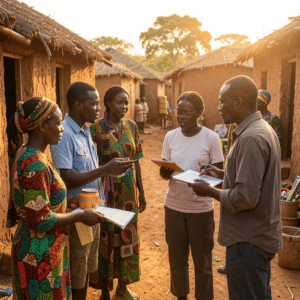
Much of the broader conversation around AI in market research assumes conditions that do not consistently exist across many African markets, writes Soyinka Witness.
Strategic Marketing for Africa, the publication for deep-thinking African marketing professionals, is not to be missed.

Rwanda’s marketing body is enthusiastic about the F1 announcement, emphasising that ‘investors and visitors follow governance, not slogans’.