
Researchers explain why 10-second micro ads outperform longer spots
Short ads shown on TV increased website visits within five minutes of airing by 10-40% compared with longer advertisements.
BRANDING
By our News Team | 2022
Time is right to adopt a modern and contemporary new look as the brand embarks on the most exciting chapter in its history, CEO says.
Citroën, the well-known French-based automotive brand, has revealed a new logo and brand identity to signal what it calls an “exciting and significant” new chapter in the manufacturer’s history.
The new logo is a reinterpretation of the brand’s original 1919 oval, adopted by founder André Citroën, and is the tenth version of the logo to be used in 103 years.
Photo courtesy of Citroën
Debuting on a concept vehicle being released shortly, the partial rebrand is said to be part of a strategy that pushes electric mobility while continuing to extend Citroën’s “core DNA for affordability, audacity and customer well-being”.
Accompanying the latest logo is a new corporate brand identity programme and brand signature under the slogan ‘Nothing Moves Us Like Citroën’.
“As we embark on probably the most exciting chapter in our illustrious 103-year history, the time is right for Citroën to adopt a modern and contemporary new look,” Citroën CEO Vincent Cobée said.
An elegant symbol of progress
“Our new identity is an elegant symbol of progress as we move our customers physically in daring, forward-looking vehicles that challenge traditional industry rules, and emotionally by ensuring their entire experience – particularly going electric – is more affordable, comfortable and enjoyable, whatever their wants and needs.
“Our legacy of inspiring consumers with daring and revolutionary vehicles is energising us to adopt a different, more inclusive approach to future family mobility, and we firmly believe that customers past, present and future will agree that nothing moves us like Citroën.”
Do logos really matter? In a 2019 article published in the respected Harvard Business Review, the authors – both marketing academics – noted that logo design choices might seem inconsequential to some. But getting the design right is important for a number of reasons.
“A well-designed logo can offer substantial benefits to brands. It can help pique the interest of consumers, differentiate brands from competitors, facilitate brand recognition, influence investors’ decisions and convey what a brand is all about,” they said.
“A logo is also a ubiquitous communication tool that might appear on your company’s products, website, annual report, entryway, and even on your business cards. It is thus a brand element that is frequently seen by stakeholders, particularly consumers.”
The authors added: “Furthermore, the design characteristics of logos can considerably impact consumer behaviour and brand performance. Prior studies on logos have shown that their simplicity or complexity can influence the funding decisions investors make, and that their symmetry or asymmetry can boost brand equity.”

Short ads shown on TV increased website visits within five minutes of airing by 10-40% compared with longer advertisements.
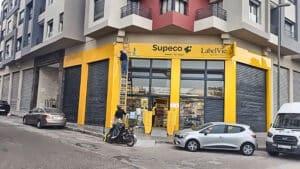
Supeco’s rapid expansion shows how the discount model is becoming a bigger part of grocery retail in the North African country.

Consumers reward visible eco-friendly additions such as reusable bottles, but give little credit to businesses that reduce or remove products.

Nestlé believes Ghana will continue to play a leading role in the future of Central and West Africa.
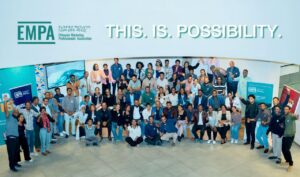
Ethiopia’s marketers gather to celebrate hosting next year’s conference – but with an eye on the hard work ahead.

Tech is creating more ways for audiences to connect, but lasting value will come from understanding the people behind those connections.

The new production line at the historic Maydon Wharf facility in Durban will address growing international demand.

Tanzania, Kenya, Zimbabwe, Ethiopia and South Africa all feature in the African meetings, incentives, conferences and exhibitions awards.

Much of the broader conversation around AI in market research assumes conditions that do not consistently exist across many African markets, writes Soyinka Witness.
Strategic Marketing for Africa, the publication for deep-thinking African marketing professionals, is not to be missed.
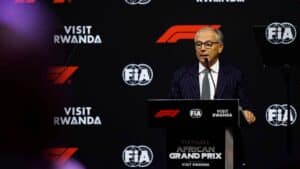
Rwanda’s marketing body is enthusiastic about the F1 announcement, emphasising that ‘investors and visitors follow governance, not slogans’.