
Airline body urges African governments to act on opening market access
‘Strategies don’t move people. Now it is time to make the difficult decisions and execute them,’ senior executive stresses.
EXPORT MARKETING
By our News Team | 2022
Both Rwanda and Ethiopia have been using the on-ground knowledge of their diplomatic missions in China for innovative coffee-marketing campaigns.
Coffee is a money spinner for many African countries, with the number of nations who are involved in its production and export numbering upwards of 30. Some are major players – such as Ethiopia, which is one of the ‘big five’ global producers – while others include the likes of Uganda, Rwanda, Tanzania, Kenya, Congo and Madagascar.
Recently, both Ethiopia and Rwanda enrolled members of their respective diplomatic missions as temporary coffee marketers to help them tap into new customers in China and increase their exports to the Asian nation.
The country’s booming e-commerce market – it has around a billion internet users and massive online marketplaces such as Alibaba – provided a perfect platform for Rwanda’s Ambassador to China, James Kimonyo, to engage in some innovative marketing on behalf of the east-central African nation.
Rwanda’s Ambassador to China, James Kimonyo (right) on his way to deliver an order of Rwandan coffee to a Chinese online shopper. Photo credit: Embassy of Rwanda via Twitter
According to a report published in Rwanda’s New Times newspaper, Kimonyo surprised many people when he cycled to the home of a Chinese consumer who had ordered Rwandan coffee online from JD.com, a popular e-commerce site.
Ambassador thanked customer for their purchase
Dressed in the outfit of a JD.com delivery person – and accompanied by real delivery personnel from the company, as well as local media – he thanked the client for supporting the Rwandan coffee industry and presented her with a certificate of appreciation.
“This is just one of the ways that the Rwandan Embassy in China is attempting to get the attention of the Chinese consumers, in a country that boasts a very competitive e-commerce industry and a massive digital economy,” the New Times noted in its article.
Not to be outdone in the African coffee-marketing stakes, Ethiopia has also been active in China through its diplomatic mission.
According to a report in the online publication Quartz Africa, Ethiopia’s ambassador to China, Teshome Toga Chanaka, participated in a livestream event with top Chinese influencer Li Jiaqi, also known as Lipstick King, on e-commerce retailer Alibaba’s e-shopping platform Tmall.
“Pleasantly surprised that more than 11 000 bags (500gm) of Ethiopian Coffee in stock were sold in 5 seconds in Shanghai in a live-streaming online event where the most influencer promoter #Li Jiaqi and I promoted # Ethiopian Coffee,” Chanaka said in a post-event Tweet.
To read more of this article, go to page 20 of the latest issue (Issue 1 2022) of Strategic Marketing for Africa, the magazine of the African Marketing Confederation. You can access the Digital Edition here.

‘Strategies don’t move people. Now it is time to make the difficult decisions and execute them,’ senior executive stresses.

UTB says its ambition is to turn the visibility into interest, bookings and more visitors choosing to explore Uganda.

Short ads shown on TV increased website visits within five minutes of airing by 10-40% compared with longer advertisements.

Supeco’s rapid expansion shows how the discount model is becoming a bigger part of grocery retail in the North African country.

Consumers reward visible eco-friendly additions such as reusable bottles, but give little credit to businesses that reduce or remove products.
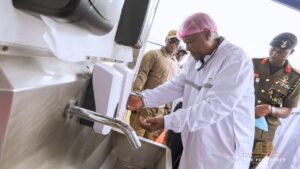
Nestlé believes Ghana will continue to play a leading role in the future of Central and West Africa.
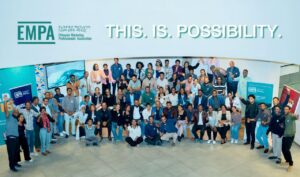
Ethiopia’s marketers gather to celebrate hosting next year’s conference – but with an eye on the hard work ahead.

Tech is creating more ways for audiences to connect, but lasting value will come from understanding the people behind those connections.

The new production line at the historic Maydon Wharf facility in Durban will address growing international demand.

Tanzania, Kenya, Zimbabwe, Ethiopia and South Africa all feature in the African meetings, incentives, conferences and exhibitions awards.
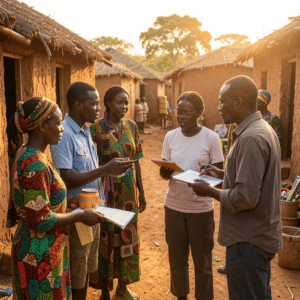
Much of the broader conversation around AI in market research assumes conditions that do not consistently exist across many African markets, writes Soyinka Witness.