Lay’s World Cup marketing strategy focuses on fan fun and togetherness
Epic watch party-themed campaign for the upcoming FIFA World Cup features major international soccer stars and a touch of Hollywood.
BRAND EMPATHY
By our African Marketing Confederation News Team | 2025
Promoting ownership by minorities or disadvantaged groups impacts consumer perceptions, especially during crises, study finds.
In an era of increasing diversity, ownership descriptions such as ‘Black-owned’ or ‘female-owned’ have become more than a point of pride – they are a strategic tool for branding.
A new study published in the American Marketing Association’s Journal of Marketing explores how promoting ownership by minorities or historically disadvantaged groups impacts consumer perceptions, especially during crises.
The study, titled ‘The Minority Ownership Awareness Effect: When Promoting Minority Ownership Increases Brand Evaluations’, is authored by two US academics, Esther Uduehi from the University of Washington and Aaron Barnes from the University of Louisville.
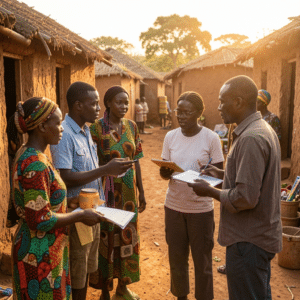
Photo by RDNE Stock project from Pexels
Their findings reveal that disclosing ownership by people who have suffered disadvantage – such as women or those belonging to particular racial, ethnic or other groups, may lead to more favourable brand evaluations after product failures because consumers empathise with these businesses.
Uduehi explains that highlighting ownership by a particular group doesn’t just signal diversity – it fosters trust and loyalty. “Our research shows that transparency can create resilience during challenging times,” Uduehi says.
Among the study findings:
“This study underscores the power of empathy in branding,” says Barnes. “However, brands must be mindful of the limits of this effect. Transparency works best when paired with consistent ethical practices.”
Implications for marketers
The researchers say findings provide actionable insights for businesses and their marketing teams seeking to differentiate themselves in competitive markets:
“This research provides a win-win for brands and consumers,” notes Barnes. “When businesses embrace inclusivity and transparency, it creates better outcomes for everyone.”
You can find out more about the study here.

Epic watch party-themed campaign for the upcoming FIFA World Cup features major international soccer stars and a touch of Hollywood.

Despite income gains, financial pressure remains visible in consumer behaviour, latest data from the Marketing Research Foundation reveals.

Media Council of Kenya’s latest survey highlights significant change that has implications for regulation, ethics and misinformation.

Three new facilities in Harare significantly expand domestic production capacity in cereals, pasta and biscuits.

What makes brands successful in Africa? A summary of the award-winning paper presented at Esomar’s first conference in Africa.

For African brands navigating today’s complex export markets, traceability can be turned into a competitive edge.

Study finds that transparent windows or cut-outs in packaging create greater psychological affinity with shoppers.

Marketing associations from across Europe nominated national champions, with 10 finalists competing for the Marketer of the Year title.

With South Africa’s ports beset by challenges, Namibia wants to entrench Walvis Bay as a better logistics corridor for landlocked neighbours.

For African marketers, Chat GPT ads will be a new intent-based frontier, arguably of higher quality than passive social feeds.

WARC outlines the consumer trends that will shape the remainder of 2026, with ‘comfort’ a key driver of spending.