
Researchers explain why 10-second micro ads outperform longer spots
Short ads shown on TV increased website visits within five minutes of airing by 10-40% compared with longer advertisements.
NATION BRANDS
By our News Team | 2021
SA still in top 50 most valuable brands, but ranks lower than last year. Nigeria, Egypt, Kenya and Morocco move up the rankings.
South Africa has recorded an 8% rise in brand value to US$175-billion to maintain its position in the top 50 most valuable nation brands in the latest Brand Finance Nation Brands 2021 report.
The annual report was released globally yesterday (19 October) and ranks countries around the world in terms of being a national brand that enhances – or detracts from – that country’s standing as a destination for investment, trade, tourism and the like.
Jeremy Sampson, MD of Brand Finance Africa, commented: “There are mixed fortunes for African nation brands this year. Nigeria, Egypt, Kenya and Morocco have edged up the ranking, with Sudan also making its debut in 83rd.
Image by Heinrich Botha from Pixabay
African rankings will improve
“However, South Africa, Ghana, Ethiopia, Angola, and Tanzania have ranked lower than last year. Nevertheless, as moves to unify African trade are making positive headway, we can expect improvement moving forward in the continent’s nation brands as Africa continues to rise on the global stage.”
David Haigh, global Chairman and CEO of Brand Finance, commented: “Unlike previous economic crashes, recovery is uneven and is pinned on the combination of initial Covid-19 response strategies and a successful vaccination rollout.
“We are starting to turn a corner, as the world’s most valuable nation brands begin to return to pre-pandemic brand values. But results are varied and it may take years for some to recoup lost brand value, creating even greater disparity between the most and least valuable nation brands.”
US and China lead the pack
Haigh added: “The superpowers from the West and the East unsurprisingly dominate the Brand Finance Nation Brands ranking, with China remaining hot on the heels of long-standing leader, the US. With China’s recovery and economic rise showing no signs of slowing down, as growth hit a record high at the beginning of the year, no doubt the gap will continue to close in the coming years.”
There has been no movement in the top 10 most valuable nation brands this year, with each nation retaining its rank from last year. The United States and China remain in a league of their own, claiming the first and second spot in the ranking, respectively.
The US has recorded a 5% brand value increase to US$24.8-trillion in a year that has been marked by great political and economic change with President Joe Biden taking the helm. Similarly, China saw a 6% uptick in nation brand value to US$19.9-trillion. Both nations have celebrated economic recovery since the outbreak of the pandemic, contributing to their uplift in brand value.
Other nations rounding out the top 10 most valuable nation brands are: Japan; Germany; United Kingdom; France; India; Canada; Italy; South Korea.

Short ads shown on TV increased website visits within five minutes of airing by 10-40% compared with longer advertisements.

Supeco’s rapid expansion shows how the discount model is becoming a bigger part of grocery retail in the North African country.

Consumers reward visible eco-friendly additions such as reusable bottles, but give little credit to businesses that reduce or remove products.

Nestlé believes Ghana will continue to play a leading role in the future of Central and West Africa.

Ethiopia’s marketers gather to celebrate hosting next year’s conference – but with an eye on the hard work ahead.

Tech is creating more ways for audiences to connect, but lasting value will come from understanding the people behind those connections.

The new production line at the historic Maydon Wharf facility in Durban will address growing international demand.

Tanzania, Kenya, Zimbabwe, Ethiopia and South Africa all feature in the African meetings, incentives, conferences and exhibitions awards.
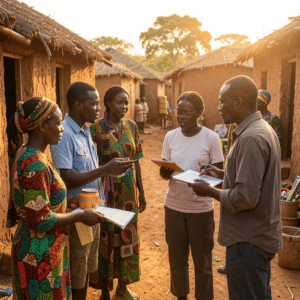
Much of the broader conversation around AI in market research assumes conditions that do not consistently exist across many African markets, writes Soyinka Witness.
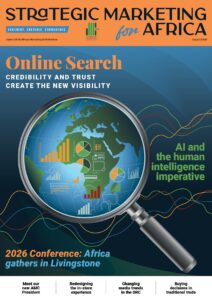
Strategic Marketing for Africa, the publication for deep-thinking African marketing professionals, is not to be missed.

Rwanda’s marketing body is enthusiastic about the F1 announcement, emphasising that ‘investors and visitors follow governance, not slogans’.