
Airline body urges African governments to act on opening market access
‘Strategies don’t move people. Now it is time to make the difficult decisions and execute them,’ senior executive stresses.
ONLINE MEETINGS
By our News Team | 2022
Pitching a new campaign to a client, or a revised strategy to management, is stress-inducing. Doing it online has added a new dimension.
Online meetings and pitches are here to stay. African marketers and their various specialist agencies have not only adopted strategies for conducting profitable business on digital platforms, but also came up with tips that address regional quirks which could otherwise jeopardise doing business online.
Fanny Namonde, Marketing Manager for the Malawi Institute of Management and also a Council Secretary for the Institute of Marketing in Malawi, says the Institute of Marketing fully embraced digital technology, hosting the majority of their meetings online.
While in favour of online platforms for ease of business, Namonde says the inability of attendees to avoid distractions in their homes while attending online meetings can be concerning.
Photograph via Strategic Marketing for Africa magazine
Running a lean team, Lute L. Mwelo, CEO of the Zambia Institute of Marketing, says despite the country leaning towards old ways of doing business following vaccination, the institute will continue hosting hybrid meetings, with more online engagements to save costs and time.
Ramp up quality of online meetings
Mwelo says her organisation partnered with other stakeholders to ramp up the quality of their online meetings. Recently, the institute hosted a webinar to debate the national budget allocation to the sector, which attracted over 100 people to the event. To minimise technical glitches, the panel met in a broadcasting studio that had a back up to the usual power supply in case of power cuts.
Beatrice Tonhodzayi, a branding and reputation management specialist who is Account Manager in the Digital, PR and Media Relations team in the APO Group, says the focus for doing business online has moved from maintaining productivity to being profitable and advises marketers to be intentional in all their online engagements.
“Use every opportunity when doing business online to bring out your A-game. In my previous job, I virtually raised funds for an annual cancer walk. Even though I presented my pitches from my dining room, I was professional and I did my research about each organisation and team I was presenting to. My camera was always on, so as to establish trust with clients,” she says.
To read more of this article, go to page 24 of the latest digital edition of Strategic Marketing for Africa, the official publication of the African Marketing Confederation (AMC) here: https://africanmarketingconfederation.org/strategic-marketing-for-africa/

‘Strategies don’t move people. Now it is time to make the difficult decisions and execute them,’ senior executive stresses.

UTB says its ambition is to turn the visibility into interest, bookings and more visitors choosing to explore Uganda.

Short ads shown on TV increased website visits within five minutes of airing by 10-40% compared with longer advertisements.

Supeco’s rapid expansion shows how the discount model is becoming a bigger part of grocery retail in the North African country.

Consumers reward visible eco-friendly additions such as reusable bottles, but give little credit to businesses that reduce or remove products.
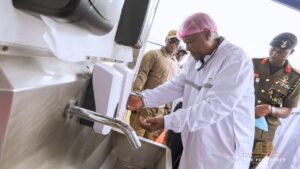
Nestlé believes Ghana will continue to play a leading role in the future of Central and West Africa.
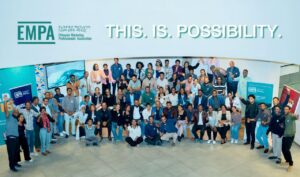
Ethiopia’s marketers gather to celebrate hosting next year’s conference – but with an eye on the hard work ahead.

Tech is creating more ways for audiences to connect, but lasting value will come from understanding the people behind those connections.

The new production line at the historic Maydon Wharf facility in Durban will address growing international demand.

Tanzania, Kenya, Zimbabwe, Ethiopia and South Africa all feature in the African meetings, incentives, conferences and exhibitions awards.
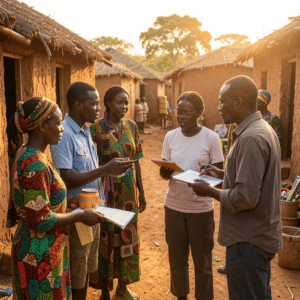
Much of the broader conversation around AI in market research assumes conditions that do not consistently exist across many African markets, writes Soyinka Witness.