
Researchers explain why 10-second micro ads outperform longer spots
Short ads shown on TV increased website visits within five minutes of airing by 10-40% compared with longer advertisements.
PROGRAMMATIC BUYING
By our News Team | 2022
Organisation says its recommendations will help marketers to make informed decisions on the value of each technology and service offering.
Programmatic media buying is a common element of the modern marketing mix, but it can be a complex process fraught with inefficiency and less-than-optimal ROI.
Now the Association of National Advertisers (ANA) in the US has introduced its first guide to help CMOs streamline the programmatic media-buying process.
The ANA said the recommendations included in The CMO’s Guide to Programmatic Transparency could generate US$8-billion to US$16-billion globally in savings each year that could be reinvested to help drive business and economic growth.
Hybrid: Photo by HubSport blog
Subtitled “A Step-by-Step Guide to Help CMOs Maximize Their Investment, Written by the World’s Foremost Experts,” the guidelines were created by the ANA’s CMO Global Growth Council and assembled by more than 30 contributors and partners.
“It has been estimated that for every dollar spent in programmatic channels, less than half goes to showing digital ads,” the guide states.
“It has been estimated that 40 to 65 percent of every dollar spent programmatically goes to the publisher; the balance is spent on the services, technology, and data that power programmatic buying. Without visibility into all the cost drivers of a programmatic campaign, advertisers lack the data to make informed decisions on the value of each technology and service offering.”
The guide states that the key objective for marketers is to control the purse strings in the programmatic process and establish leverage by demanding transparency from their agencies and digital platform partners. To achieve that goal, marketers should:
Each of those steps is elaborated upon in the guide with prompts, including questions to ask, standards to expect, standards to enact, potential outputs, suggestions for internal reflection, and post-phase considerations.
“Most companies are paying more than they have to for their media supply chain,” said ANA CEO Bob Liodice. “This is due to factors such as the rapid development of programmatic ad buying, a lack of transparency, the overlap of many providers and services, and the complexity of the process itself. This guide will help marketers overcome those obstacles and significantly reduce their programmatic costs.”
Based on the successes achieved in improving programmatic buying efficiencies for their own companies and industries, the guide’s authors recommended that marketers take these steps:
The CMO’s Guide to Programmatic Transparency can be accessed on the ANA website here.

Short ads shown on TV increased website visits within five minutes of airing by 10-40% compared with longer advertisements.

Supeco’s rapid expansion shows how the discount model is becoming a bigger part of grocery retail in the North African country.

Consumers reward visible eco-friendly additions such as reusable bottles, but give little credit to businesses that reduce or remove products.

Nestlé believes Ghana will continue to play a leading role in the future of Central and West Africa.

Ethiopia’s marketers gather to celebrate hosting next year’s conference – but with an eye on the hard work ahead.

Tech is creating more ways for audiences to connect, but lasting value will come from understanding the people behind those connections.

The new production line at the historic Maydon Wharf facility in Durban will address growing international demand.

Tanzania, Kenya, Zimbabwe, Ethiopia and South Africa all feature in the African meetings, incentives, conferences and exhibitions awards.
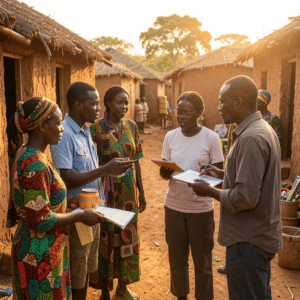
Much of the broader conversation around AI in market research assumes conditions that do not consistently exist across many African markets, writes Soyinka Witness.
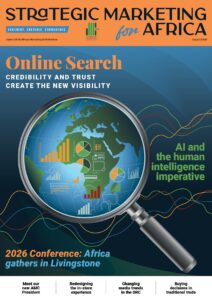
Strategic Marketing for Africa, the publication for deep-thinking African marketing professionals, is not to be missed.
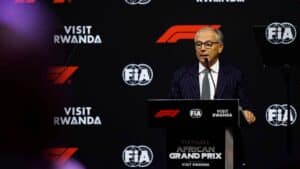
Rwanda’s marketing body is enthusiastic about the F1 announcement, emphasising that ‘investors and visitors follow governance, not slogans’.