
Researchers explain why 10-second micro ads outperform longer spots
Short ads shown on TV increased website visits within five minutes of airing by 10-40% compared with longer advertisements.
SPORTS BRANDS
By our African Marketing Confederation News Team | 2024
New report emphasises the immense global power of the Spanish soccer club’s brand. But England’s EPL remains highest-value league.
Spanish soccer giant Real Madrid, with a brand value up 16% to US$1,85-billion, is once again the world’s most valuable football club brand, surpassing 2023 winner Manchester City, which saw its brand value rise by 7% to US$1,74-billion.
This is according to new data from brand valuation consultancy, Brand Finance, which says that Real Madrid is not only the world’s strongest football club brand, but also ranks among the strongest brands globally – surpassing renowned names like Google, Coca-Cola, Ferrari and Rolex.
Real Madrid (in white) vs Barcelona at the Bernabéu Stadium in Madrid. Photo: Laura Hale, Wikimedia Commons
The club’s recent strategic investments in star players like France’s Kylian Mbappé and England’s Jude Bellingham are expected to further boost record-breaking revenue through increased matchday and merchandise sales, while enhancing global visibility and fan engagement.
Soccer club brands are an increasingly valuable asset as companies pour billions into team sponsorships. The global football sponsorship market was valued at US$39.3-billion in 2023 and is projected to be worth US$57.9-billion by 2032.
“With global football sponsorship forecast to be worth nearly US$58-billion in less than a decade, football clubs are investing in their brands’ strength and value, aiming to capture a piece of this lucrative and growing market,” comments Hugo Hensley, Head of Sports Services at the consultancy.
“Brand Finance’s data shows that club’s commercial income is correlated to the strength of the brand, especially at the top of the pile.
“Real Madrid’s return to the top of the ‘2024 Football 50’ ranking is a testament to the club’s powerhouse brand management, and sponsorships such as their eight-year mega-deal with Adidas help to strengthen Real Madrid’s status as the most valuable football club brand in the world.”
Manchester City comes in at number two in the rankings
England’s Manchester City is the second-most valuable football club brand, following a period of exceptional on-pitch success. This has significantly increased commercial and matchday revenue, enhancing the club’s financial power.
“[Our] research found that Manchester City FC excels in attributes including its [ambition], passionate fanbase, and effective management under Pep Guardiola’s widely praised leadership,” says Hensley.
“Star players like Erling Haaland and Phil Foden have further boosted the club’s marketability and on-field performance, solidifying Manchester City’s status as a global football powerhouse.”
FC Barcelona remains the world’s third-most valuable football brand despite facing significant financial challenges, notably its restricted salary cap. This cap severely restricts Barcelona’s ability to sign and retain top players for the upcoming 2024/25 season, potentially affecting its on-pitch performance, competitiveness and appeal to sponsors.
The English Premier League has the most clubs (17) featured in the ‘Top 50’ ranking, as well as by far the highest value of any league, at US$8,82-billion – compared to Spain’s La Liga, in second place with a value of US$4,90-billion.
You can find out more about the report here.

Short ads shown on TV increased website visits within five minutes of airing by 10-40% compared with longer advertisements.
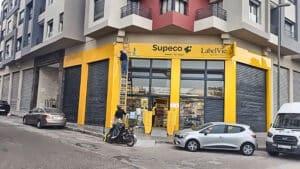
Supeco’s rapid expansion shows how the discount model is becoming a bigger part of grocery retail in the North African country.

Consumers reward visible eco-friendly additions such as reusable bottles, but give little credit to businesses that reduce or remove products.

Nestlé believes Ghana will continue to play a leading role in the future of Central and West Africa.
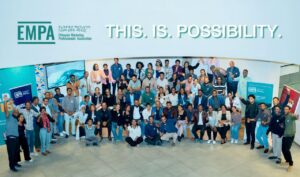
Ethiopia’s marketers gather to celebrate hosting next year’s conference – but with an eye on the hard work ahead.

Tech is creating more ways for audiences to connect, but lasting value will come from understanding the people behind those connections.

The new production line at the historic Maydon Wharf facility in Durban will address growing international demand.

Tanzania, Kenya, Zimbabwe, Ethiopia and South Africa all feature in the African meetings, incentives, conferences and exhibitions awards.

Much of the broader conversation around AI in market research assumes conditions that do not consistently exist across many African markets, writes Soyinka Witness.
Strategic Marketing for Africa, the publication for deep-thinking African marketing professionals, is not to be missed.
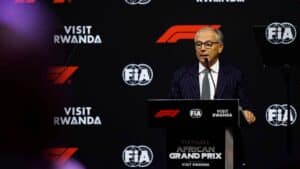
Rwanda’s marketing body is enthusiastic about the F1 announcement, emphasising that ‘investors and visitors follow governance, not slogans’.