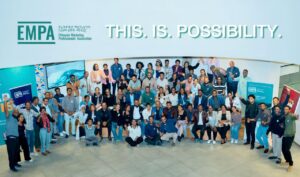
Pre-conference masterclass discusses taking African brands to the world
Participants challenged to identify, articulate and commercialise the cultural assets that make their brand ready for a global audience.
QUICK-SERVICE RESTAURANTS
By our News Team | 2023
In the short to medium term, the primary growth markets will be Kenya and Zimbabwe, company advises its shareholders.
Simbisa Brands Limited, the Zimbabwe-based quick-service restaurant group, recently announced that it plans to open 92 new outlets in the coming year at a total cost of around US$22-million.
The company’s QSR brands include Nando’s, RocoMamas, Steers, Chicken Inn, Pizza Inn and Ocean Basket. It operates primarily in Zimbabwe, but also in Kenya, Zambia, Ghana and Mauritius.
Photo credit: Simbisa Brands
“Simbisa Brands Limited sees significant growth opportunities in its largest markets for its flagship brands,” the company’s Chairperson, Addington Bexley Chinake, said in a statement for the 12 months ended June 30, 2023.
“The group has invested in talented leaders to lead these brands and has recruited skilled personnel to ensure quality, consistency, and innovation within its franchising division.”
He added: “Additionally, the company is exploring value-creating initiatives with partners throughout its value chain. These strategic moves aim to fuel further growth and expansion for Simbisa Brands Limited. There will be a continuous strategic review of operations in all the smaller markets.”
Certain business headwinds remain
Although Simbisa is on a growth path and sees significant potential for its brands, it concedes its business was affected by soaring inflation, volatile exchange rates, uncertain economic policies, and energy deficiencies during the period under review.
Consequently, several underperforming outlets were closed during the previous financial year and a further nine outlets, representing “non-core brands” are to be closed this year.
“In the short to medium term, the primary growth markets will be Kenya and Zimbabwe,” Chief Executive Officer, Basil Dionisio, said. However, Simbisa remains vigilant of new growth opportunities in existing and potential new markets and continues exploring business development options.”
Simbisa is a major fast-food player in African markets and is owned by Innscor Africa, a light manufacturer of fast-moving consumer goods operating from Harare.

Participants challenged to identify, articulate and commercialise the cultural assets that make their brand ready for a global audience.

Second outlet planned for Nairobi before year end, with Nigeria, South Africa and Morocco said to be future target markets.

Online search behaviour has changed significantly with the rise of AI. How can African brands adapt to this new marketing landscape?

Researchers propose a framework for packaging that senses, learns and acts – making packaging an active, AI-powered tool against food waste.

Country needs marketers to build recognition and consumer trust around Malawian products and national brand, says Deputy Minister.

Fashion brand suspends giant lingerie high above the city’s streets, using shadows to create a moving billboard for pedestrians and motorists.

Researchers describe AI influencers as having a ‘dual identity’. Consumers evaluate both ‘person’ and ‘technology’ identities at once.

Reputation and trust, once modest influences on hotel choice, have become some of the strongest predictors of patronage, study finds.

South African brands are increasingly setting the global benchmark for customer loyalty strategies, organisers say.

Global influences among younger consumers are still present, but they are being filtered through a distinctly Zambian lens.

Researchers find that lack of perceived ‘genuine care’ is the mechanism connecting AI involvement to lower trust ratings.