Demand for sportswear is sprinting ahead of the wider apparel market
Consumers are prioritising their wellness despite tighter wallets, meaning sportswear remains one of the most resilient areas of fashion.
PERSONAL CARE
By our African Marketing Confederation News Team | 2025
Rather than following global influences, African consumers are seeking indigenous ingredients suited to expressing identity and heritage.
Rising incomes, economic diversification and greater female workforce participation are helping to drive demand for personal care products in Africa, according to a study by Euromonitor International.
The report, titled ‘Arab and African Beauty: The Story of Identity, Innovation and Opportunities’ examines trends in the MEA region pertaining to hair care, skin care, colour cosmetics and fragrances.
It highlights that, rather than following global influences, consumers in Africa and the Middle East are seeking indigenous ingredients suited to local skin tones and hair types, expressing identity and heritage.
“Africa’s beauty market is diverse, with consumers looking for products suited to their specific hair and skin needs. Local ingredients like shea butter, baobab oil and marula oil are prized for their efficacy and cultural significance,” the researchers say.
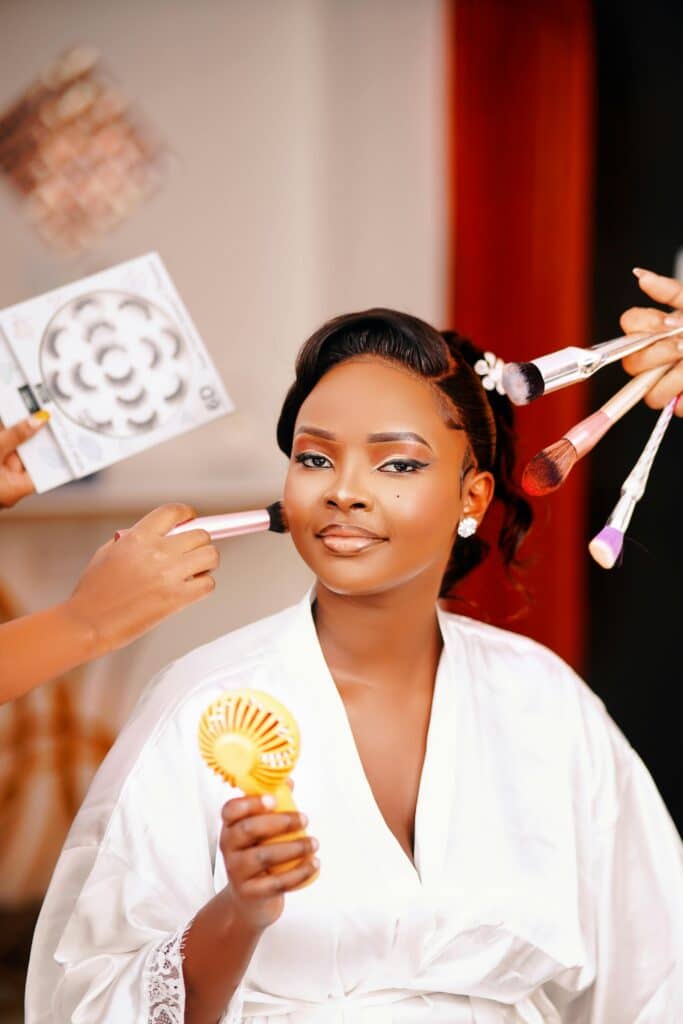
Photo: Youngafrikanna from Pexels
“African brands are leveraging local knowledge and authentic storytelling to create products that address concerns like hyperpigmentation, dryness and textured hair care.”
Leveraging the region’s biodiversity and traditional knowledge
Rubab Abdoolla, Senior Consultant at Euromonitor International, notes that “brands leveraging the region’s biodiversity and traditional knowledge can offer unique products that appeal to consumers”.
Referencing the South African market, Abdoolla says ‘being comfortable in your own skin’ is a beauty perception for 56% of South Africans surveyed, a figure that surpasses the global average of 38%.
African beauty ideals, as opposed to Western-centric ones, features a greater focus on hair thickness, textured hair, traditional scents, and skin care and colour cosmetics formulated for darker skin tones, while also highlighting traditional ingredients and an emphasis on moisture and hydration.
For consumers of Arabic origin, Euromonitor notes that beauty is tied to cultural and religious norms.
People favour natural, hydrating, halal products to address skin concerns such as dry skin or uneven skin tone. Fragrances like oud, frankincense and rose are important in both routine and luxury use.
The movement is driven by cultural identity, with an emphasis on Arab beauty ideals that celebrate unique features such as prominent eyes and bold brows.
You can find out more about the report here.

Consumers are prioritising their wellness despite tighter wallets, meaning sportswear remains one of the most resilient areas of fashion.

Nominations for the 2026 African Marketing Confederation and African Supply Chain Confederation awards close on 31 July.

Consumers may stick with troubled brands because their emotional attachment overrides the perceived risk, study finds.

Book draws a line between customer experience – the private-sector marketing discipline – and what its authors call ‘Citizen Experience’.

Six years ago, the historic South African department store chain was in voluntary business rescue. Now it plans to open 50 new stores.

The Accountability Equation is the often neglected, but vital, three-way partnership between creators, brands and their marketing agencies.

The Institute of Marketing in Malawi announces that accomplished business leader Michel Hebert will be its keynote conference speaker.

Forty percent of brand citations in organic search results do not show up in AI overviews for the same query, study finds.

Adidas has reportedly awarded the business to Omnicom Media Group following a competitive pitch involving Publicis Groupe and incumbent WPP.

Another salvo is fired in the long-running ‘Cola Wars’ as Coke steals Pepsi’s thunder across the Marriott group’s 10,000 global properties.

Gideon Khobane brings more than 20 years of leadership experience across media, entertainment and digital platforms in Africa.