
Researchers examine why some AI ads fail while others succeed
Norms may change, but right now it’s better to err on the side of caution when using AI in advertisements, study finds.
SUPPLY CHAIN
By our News Team | 2022
When servicing Africa’s micro-retailers, it is vital to understand the merchandising challenges and set standards.
Merchandising is a key component for any retailer, as well as for the FMCG sales and marketing teams who use merchandising techniques to promote brands and increase sales in those retail outlets.
However, in Africa’s numerous small ‘traditional retail’ stores – as opposed to the more sophisticated ‘modern trade’ supermarkets – there are many merchandising challenges. Often it is unprofitable for sales teams to service these micro-retailers at all. And if they do, salespeople will frequently spend less than eight minutes in the outlet – with the focus on getting the order rather than allocating time to any merchandising activities.
In most cases, small micro-retailers will not even buy directly from brand owners, manufacturers or their national distribution network. As they prefer to buy smaller product quantities, they are more likely to make use of local wholesalers or distributors to break bulk into more affordable quantities.
Photo via Strategic Marketing for Africa magazine
Typically, such outlets will remain ‘underserviced’ in the formal sense and won’t qualify for minimum drop sizes set by delivery companies (the drop size being the amount of inventory purchased and delivered per visit).
Sales teams are not incentivised to merchandise
If these outlets receive delivery services at all, the bigger distributors will, at best, provide only limited merchandising services. This is because their salespeople are mostly not incentivised to do this work and their focus is on earning sales commission.
So, for the majority of Africa’s micro-retailers, merchandising will be their own responsibility and they will receive limited or no external support.
One of the problems faced is a lack of space. For these micro-retailers, space is limited and comes at a premium. Shops are poorly lit and have limited shelf space to stock and display products. For brand owners and their distributors, placing equipment such as coolers and point of sales material (POSM) in these outlets is a challenge.
New owners of micro-retail outlets also rarely have the market knowledge to display and merchandise products in the correct way to increase traffic and volume. Consequently, they frequently require training and salespeople need to demonstrate the correct merchandising techniques. However, with the limited time available to service these outlets, that is challenging for most companies.
To read more of this article go to page 44 of the latest digital edition of Strategic Marketing for Africa, the official publication of the African Marketing Confederation (AMC) here: https://africanmarketingconfederation.org/strategic-marketing-for-africa/

Norms may change, but right now it’s better to err on the side of caution when using AI in advertisements, study finds.

GeoPoll insights report from Kenya, Nigeria and South Africa finds that quality remains the key purchase driver in FMCG.
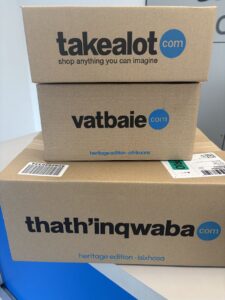
As the country celebrates Heritage Month, Takealot embarks on a campaign to speak to consumers in all 12 official languages.

She brings experience across creative strategy, digital transformation, media, content, influencer marketing and client leadership.
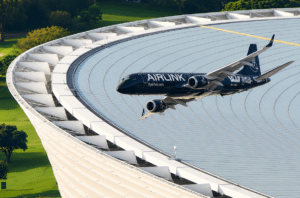
Airlink has been a centre of attention for the past week due to its spectacular flypast over a rugby stadium. What’s the marketing benefit?

Jane Gaty, who has extensive experience in the health care sector, joins as Head of Brand, Experience and Corporate Impact.

Two executives step into new leadership roles within Africa, while a third long-serving leader moves to a position with Kantar UK.
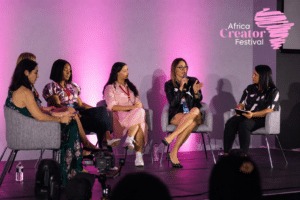
The continent’s creators are building communities, shaping culture and developing businesses of their own, organisers say.
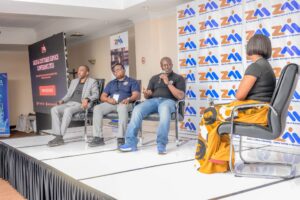
Apart from being host to the upcoming annual AMC Conference, ZIM recently hosted its own conference and a graduation ceremony.

She brings an extensive background in Nigerian and regional spirits marketing to a wider African responsibility.

Albert De Andrade is named as Chief Creative Officer and Lerato Moleko is appointed Strategy Director.