
Researchers explain why 10-second micro ads outperform longer spots
Short ads shown on TV increased website visits within five minutes of airing by 10-40% compared with longer advertisements.
EXECUTIVE APPOINTMENTS
By our News Team | 2023
Widely experienced executive Charles Ballard takes up the reins after holding various senior positions with the company.
Pan-African e-commerce company Jumia has announced the appointment of Charles Ballard as the new CEO of its Kenyan operation. He replaces Juan Seco, who departed after eight years to join Mukuru, the Africa-focused fintech company.
Ballard joined Jumia in 2019 and has previously served as Head of Performance and Planning, Chief Operating Officer, and as Senior Vice President – Commercials for the company.
Photo credit: Jumia
“I am excited to continue driving the e-commerce narrative in rural Kenya, where more than 70% of the population lives,” Ballard said.
“Access to Modern Retail is a challenge in these areas, which is a great opportunity to grow our online marketplace. E-commerce can bring better prices, more choices and convenience to the rural Kenyans.”
Before joining Jumia, he was a retail consultant at Sagaci Research in Kenya from 2015 to 2019, working on retail and e-commerce projects across more than 15 African countries.
Kenyan-based executive with an NGO
He has also been a Kenyan-based executive with the Agency for Technical Cooperation and Development (commonly known as ACTED), a French humanitarian non-governmental organisation.
Ballard holds a master’s degree from the ESSEC Business School (France) and a BSc in International Development from the London School of Economics.
Jumia is a key player in the continent’s e-commerce space and is sometimes known as the ‘Amazon of Africa’ due to its involvement in more than a dozen countries.
But the going has not been easy and its once-aggressive expansion strategy has been pared back as it continues to make losses and the share price struggles after coming off a high in early 2021.
There has been a management shakeup and a cost-cutting drive which has included retrenchments and exiting unprofitable segments like logistics-as-a-service and grocery delivery. It has also struggled with supply chain problems and foreign currency fluctuations.

Short ads shown on TV increased website visits within five minutes of airing by 10-40% compared with longer advertisements.

Supeco’s rapid expansion shows how the discount model is becoming a bigger part of grocery retail in the North African country.

Consumers reward visible eco-friendly additions such as reusable bottles, but give little credit to businesses that reduce or remove products.
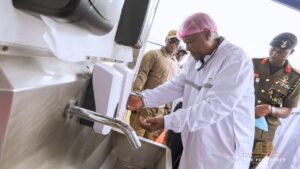
Nestlé believes Ghana will continue to play a leading role in the future of Central and West Africa.
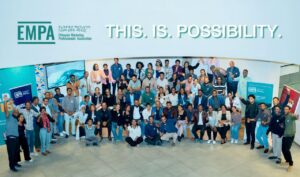
Ethiopia’s marketers gather to celebrate hosting next year’s conference – but with an eye on the hard work ahead.

Tech is creating more ways for audiences to connect, but lasting value will come from understanding the people behind those connections.

The new production line at the historic Maydon Wharf facility in Durban will address growing international demand.

Tanzania, Kenya, Zimbabwe, Ethiopia and South Africa all feature in the African meetings, incentives, conferences and exhibitions awards.
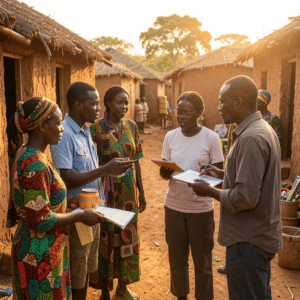
Much of the broader conversation around AI in market research assumes conditions that do not consistently exist across many African markets, writes Soyinka Witness.
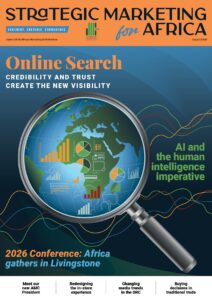
Strategic Marketing for Africa, the publication for deep-thinking African marketing professionals, is not to be missed.

Rwanda’s marketing body is enthusiastic about the F1 announcement, emphasising that ‘investors and visitors follow governance, not slogans’.